Brain Breaks Part 36: Pulgar Pulgar
One of the many things that came out of my week and a half in Australia was a new Brain Break called Pulgar Pulgar.
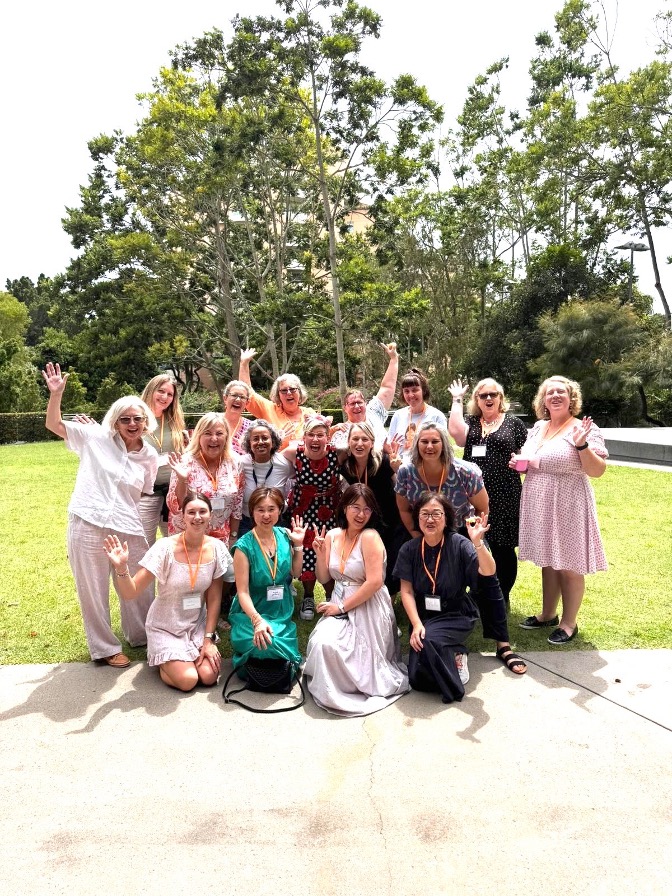
I learned this from the fabulous Kathryn Tominga. She’s a Japanese teacher in Brisbane. She was an organizer of the conference and a student in my Spanish language lab which was a class I held for adults at the conference. There were 16 incredible women in my lab this time. Naomi, Diana, Skye, Yuko, Simone, Inge, Colleen, Kathryn, Stella, Lucy, Danielle, Helen, Miranda, Prudencia, Kylie, and Anna!
Presenting in Australia
One of the most interesting parts of presenting in Australia is how different the demographic of the conference is, specifically what languages the teachers teach. I am so used to showing up at a conference and 80% of the teachers being Spanish teachers. At CI Down Under we had 14 Spanish teachers out of the 100 or so teachers in attendance. Meanwhile there was a HUGE turn out of teachers of Japanese!
This meant that my lab was IN Spanish and the majority of my students were brand new to it. BRAND new. Half of them were brand new to even counting to ten. This is a fantastic brain break for those students because you don’t need more numbers than 0-4.
Brain Break: Pulgar Pulgar
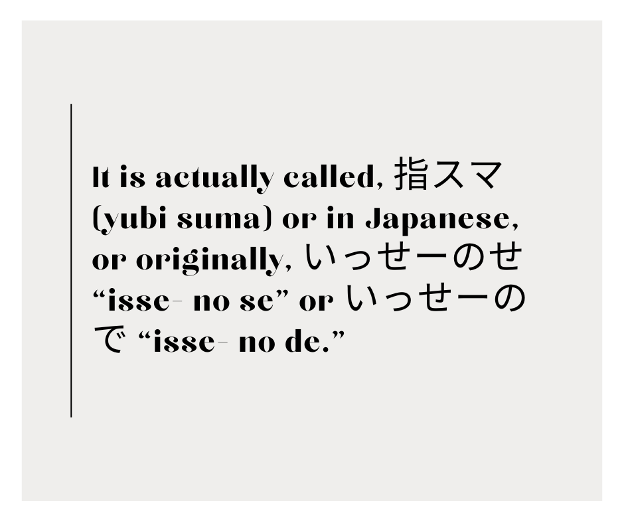
In Japanese Yubi Suma means Finger SMAP. Kathryn learned the game from SMAP which was a very popular boy band who had a TV show where they’d play this game. When you say it out loud it is four syllables long.
Here’s a video that Kathryn shared with me if you’d like to see it played in its traditional form.
Pulgar Pulgar
I decided on Pulgar Pulgar (thumb thumb) because I easily integrate the word dedo (finger) into brain breaks and input on the regular but pulgar rarely comes up AND it is logical right!? Kids are playing with pulgares (thumbs).
How to Play
Here’s how it works, broken down in case you want to see it written:
- Kids face each other 1:1. They make a fist with their thumbs at facing upwords and NOT tucked into the fits.
- Both partners bob their hands up and down twice as student A says “pulgar pulgar ____” They fill in that blank with 0, 1, 2, 3, or 4.
- That number gets said on the 5th count because pulgar pulgar is four syllables.
- On that fifth count, both students can choose to put up 0, 1, or 2 thumbs. That happens on the SAME count as the person says the #.
- Let’s say Student A says “Pulgar, pulgar, 2” and when they say 2, they put up one thumb.
- Meanwhile silent partner B puts up two thumbs.
- After those 5 counts, you see a total of THREE thumbs up. Student A said the number TWO not THREE, though. So now the play passes to the next player.
- The next player then says “Pulgar pulgar, 1” and on the fifth count they don’t put up any thumbs. While simultaneously, student B puts up ONE thumb. Since student A correctly predicted the number of thumbs that would be “up” at the end of the round, they get to put ONE arm (and attached fist) behind their back.
- Then it is partner A’s turn again and they say “pulgar pulgar 3”.
- Now, in order for this to go well for Partner A, BOTH of partner A’s thumbs would need to pop up and the ONE thumb that partner B has left would also have to go up.
- This is something that seems logical to us, but can be tricky for younger learners. This should NOT stop you playing with elementary students! Kathryn plays with her elementary students all the time. It is just an opportunity to show them that if they say 4 and there’s only a possibility for 3 thumbs to be put up, then four is not the best number to call.
- Now, in order for this to go well for Partner A, BOTH of partner A’s thumbs would need to pop up and the ONE thumb that partner B has left would also have to go up.
When she demoed this with me, I made the mistake of saying 3 when only TWO thumbs could’ve gone up, we both only had one fist left. You go back and forth until one partner has both fits behind their back.
First day Playing
Here’s a video of me playing with classes today! Keep in mind that it was our FIRST day playing!
In the same way that we play Chopsticks, where when a round is finished, kids find another person to play with, they should do that. They should walk around until they find another person who is finished with their first round and play again.
Short & Sweet Breaks
Remember, Brain Breaks should be short and sweet breaks in the input of class. If you’re letting this go on for 2-3 minutes it isn’t a brain break. It is a game. Keep it short! 🙂
Things are hard right now… impossibly… I hope you are taking care of your mental and emotional energies. I am thinking of you, teacher!
xo
Annabelle
Ps.(Here’s a photo of my incredible class this past week. Kathryn is the woman on the far left in the white shirt, waving!)